Only time will tell whether such carbon deals will truly reduce emissions or simply allow companies to continue polluting while appearing environmentally responsible on paper. — Annu Kumari
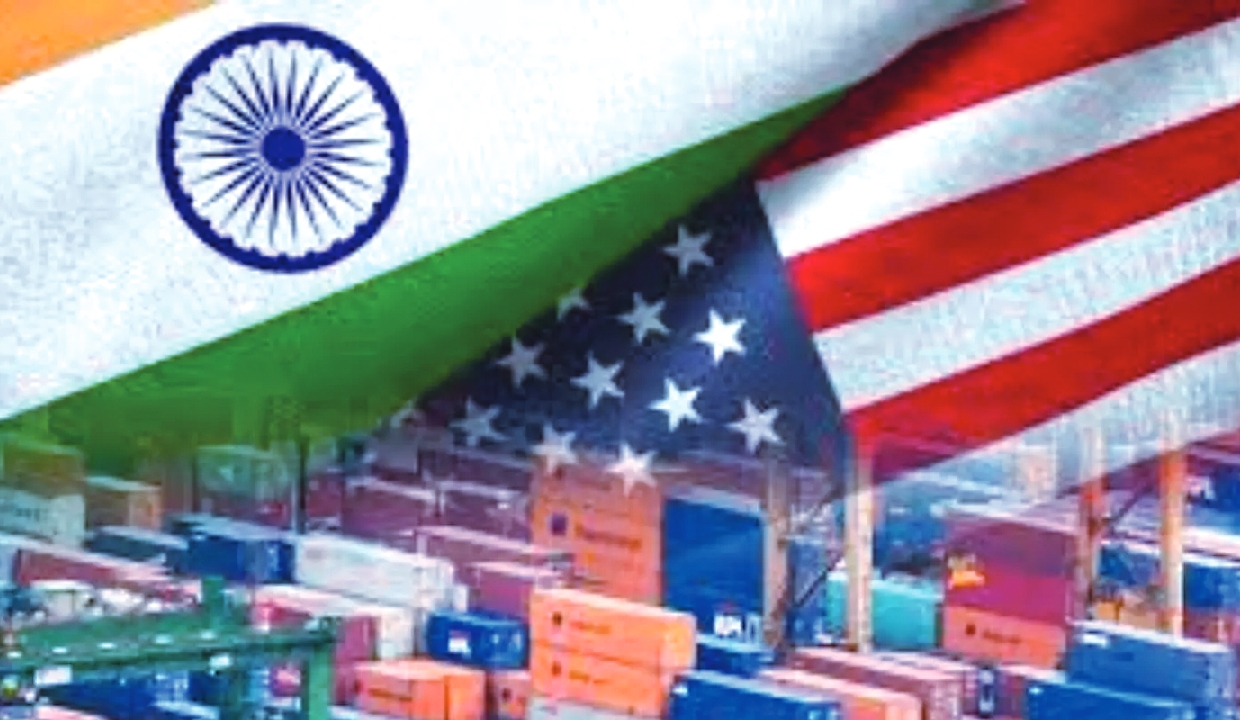
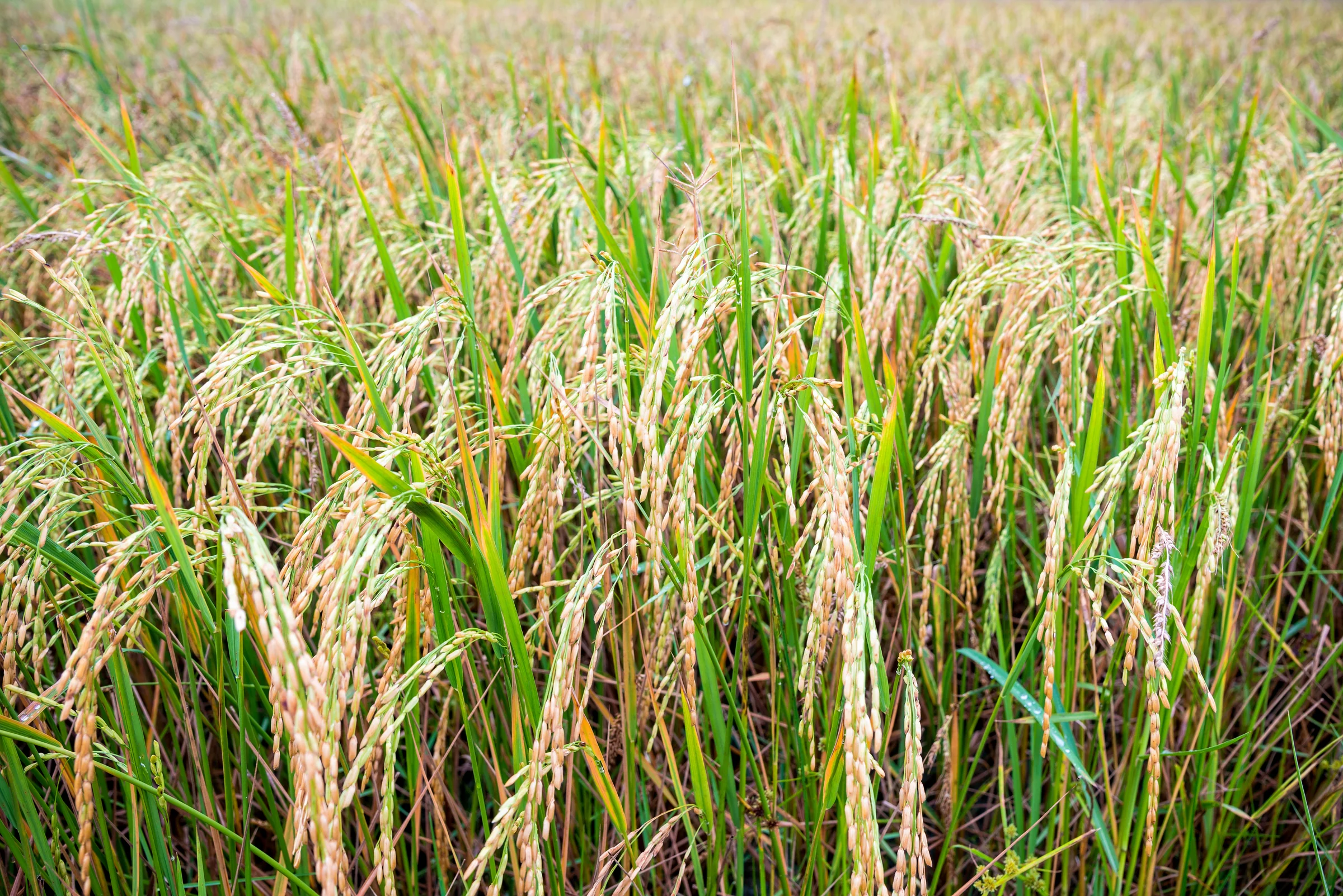
Amazon has signed a 30 million dollar worth agreement to buy carbon credits from Indian rice farmers through the Good Rice Alliance. At this scale, it is the first of its kind in India and one of the largest agricultural carbon deals globally. This deal comprises more than 13,000 farmers across India and cover 35,000 hectares of farmland which could generate more than 685,000 carbon credits. It involves the use of techniques like alternate wetting and drying to cut methane. As rice farming is a major methane source which is also responsible for 8 to 10 percent of global methane emissions. Also, as compared to CO2, methane is 27 times more powerful in warming the planet. So, methane reduction will have real climate impact.
But now the question arises that why companies like Amazon are doing the carbon deals. Basically, the big tech companies are investing heavily in carbon credits today to offset emissions and reach net-zero goals. In fact, buying carbon credits has become a trend now. For instance, in the United States, Microsoft signed a massive deal to buy millions of soil carbon credits from farming projects. While in Latin America, Meta invested in large forestry carbon projects as part of its net-zero strategy. The primary reason of buying carbon credits is that the carbon deals are cheaper than fully decarbonizing operations and it also boosts the ESG (Environmental, Social, Governance) credibility of companies. But it is to be noted that carbon credits are not the silver bullet. The best case could be that farmers earn more and emissions genuinely fall from this deal whereas the worst case could be that companies neutralize emissions on paper while pollution continues. Thus, the real question is that are companies using carbon credits as a bridge to sustainability or a shortcut around it? Because that answer will decide whether deals like this become climate solutions or just better accounting.
Understanding the Amazon's Rice Carbon Credit Deal from the Lens of Greenwashing
The Amazon rice carbon credit deal promises extra income for farmers. With this deal, farmers will get financial support and methane emissions may go down which in turn will help Amazon to achieve its net-zero climate goals. Now the question arises whether the project is truly about climate action or part of a corporate greenwashing.
Amazon announced its plan to buy carbon credits from Indian rice farmers through the Good Rice Alliance (TGRA). The Good Rice Alliance (TGRA) is backed by Bayer, Shell and GenZero. Bayer presents itself as a leader in sustainability and regenerative agriculture for years but the company has faced strong criticism for its role in pesticide-heavy industrial farming. In 2023, Bayer argued that glyphosate should be seen as an important part of regenerative agriculture because it helps support no-till farming methods. Glyphosate is one of the world's most controversial herbicides hence the Bayer stance on glyphosate received backlash from regenerative farming groups in Spain and environmental organizations across Europe. Critics accused Bayer of trying to redefine regenerative agriculture in a way that allows chemical-heavy farming to continue under a greener image.
The International Agency for Research on Cancer classified glyphosate as "probably carcinogenic to humans." The glyphosate remains controversial as some regulators disagree about the level of risk it contains. The loss of biodiversity, soil degradation, water pollution and possible health risks are also associated with glyphosate. In September 2024, Corporate Europe Observatory published a report in which it accused Bayer of extensive lobbying against environmental regulations. The report claimed that Bayer lobbied against pesticide reduction targets, pushed for the reapproval of glyphosate despite health concerns, opposed bans on the export of toxic chemicals and tried to influence GMO regulations in ways that supported the company's business interests. Moreover, in April 2024, a group of civil society organizations from Argentina, Brazil, Paraguay, Bolivia and Germany filed an OECD complaint against Bayer. The organizations accused the company of contributing to deforestation, water pollution, biodiversity loss, land conflicts and health problems connected to pesticide usage in South America's industrial soy farming system. The complaint also argued that Bayer failed to address the environmental and human rights risks connected to its products and farming practices.
While in the United States Bayer faced accusations of greenwashing. During Pollinator Week in Minnesota in 2024, the company sponsored a "Feed a Bee" campaign that promoted pollinator protection. Environmental groups protested because Bayer is one of the world's leading producers of neonicotinoid pesticides, which are strongly linked to bee decline and pollinator collapse. Activists argued that Bayer was presenting itself as bee-friendly while continuing to profit from chemicals associated with harming pollinators. In 2026, German Environmental Aid launched legal action against Bayer over alleged greenwashing claims. Environmental groups increasingly argue that Bayer uses sustainability language and regenerative agriculture branding to improve its public image while continuing practices linked to environmental harm.
GenZero's involvement in the Good Rice Alliance (TGRA) raises more questions because it is backed by Temasek Holdings. Temasek later faced greenwashing concerns after reports claimed that a Temasek-backed energy company tried to avoid higher interest payments linked to sustainability bonds by arguing that it had not missed its emissions targets. The controversy raised a larger concern about climate finance. So, it can be said that sustainability metrics and ESG systems can sometimes become more about financial strategy and corporate image than about real environmental change.
The carbon credit scandal of Shell is one of the major concerns. As the Shell company marketed more than twenty shipments of liquefied natural gas (LNG) as carbon neutral between 2022 and 2024. Through millions of carbon credits linked to methane reduction projects in Chinese rice fields, the Shell company balanced the emissions from the fossil fuel shipments. But then the Climate Home News and Dialogue Earth found major problems with these methane reduction projects of Shell company in Chinese rice fields. It was found that the farmers in the project areas said that they had never heard of the carbon programs and local authorities also denied involvement. Besides, in some cases, although developer claimed that infrastructure was there but there was no infrastructure as developers claimed existed. Therefore, the trust in Shell company damaged due to this carbon credit scandal as well as it tarnished the trust in carbon credit system. Also, it needs to be noted that the Good Rice Alliance (TGRA) also focuses on methane reduction credits from rice farming which raises real question whether a similar carbon credit system can really be trusted in India after serious failures were already exposed in China.
Thus, it can be stated that the main concern regarding the carbon deal of Amazon with the Good Rice Alliance is about trust and accountability. The Good Rice Alliance is backed by companies like Bayer and Shell which have repeatedly faced accusations of greenwashing, weak environmental oversight, lobbying against environmental regulations and questionable sustainability practices. Irony of the situation is that Amazon is one of the world's largest corporate emitters but it is buying carbon credits from the Good Rice Alliance which is backed by corporations that already face credibility problems owing to environmental practices. In a nutshell, only time will tell whether such carbon deals will truly reduce emissions or simply allow companies to continue polluting while appearing environmentally responsible on paper.
Annu Kumari: Assistant Professor, Sri Aurobindo College (Evening), University of Delhi